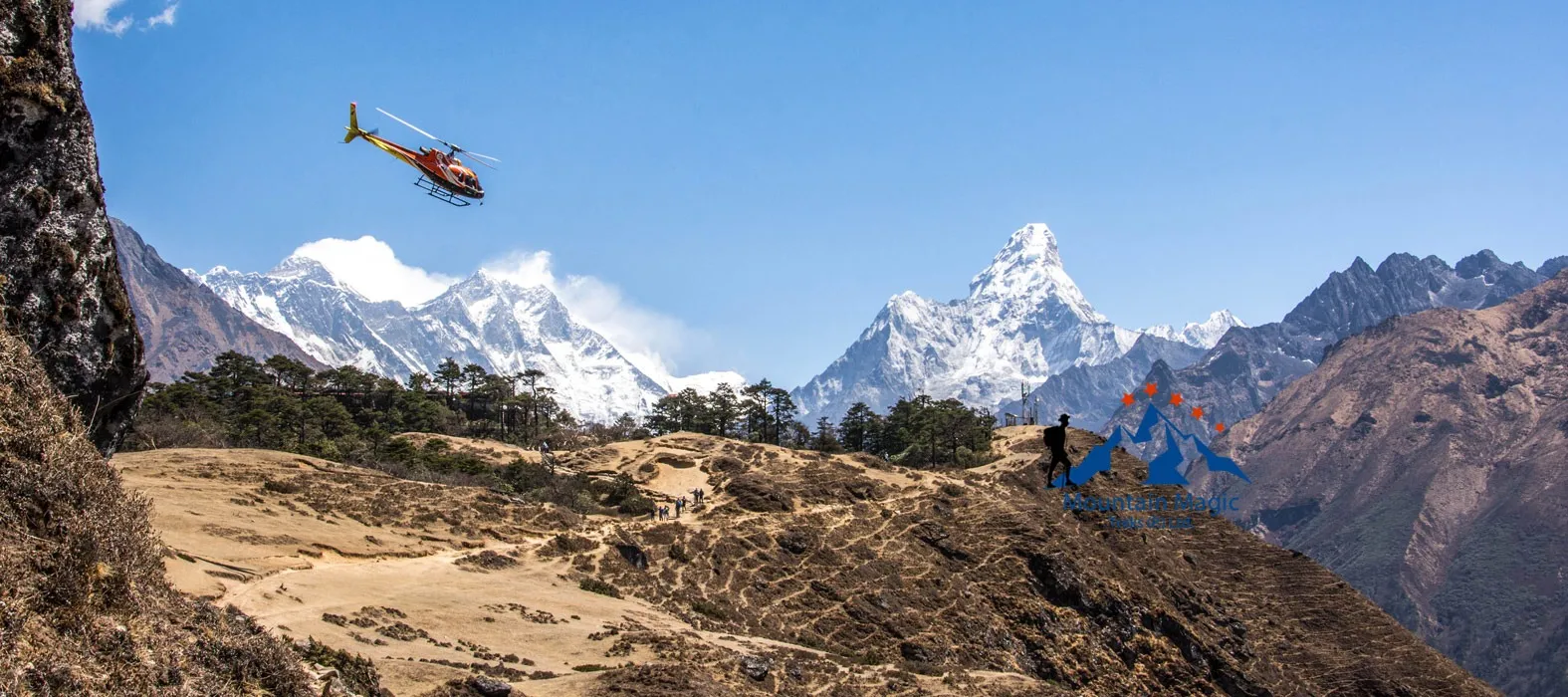
When people talk about Everest, they usually talk about the mountain.
They talk about the height, the snow, the views, and the famous Base Camp. But there is another part of the experience that deserves attention: the people you meet along the way.
A trek through the Khumbu is not possible without guides, porters, lodge owners, cooks, drivers, and local families. They are part of what makes the journey work.
The Everest Base Camp Trek With Helicopter Return gives travelers plenty of time to experience this side of the region before the final flight takes them back toward Kathmandu.
The Journey Starts With People
Your first days in the Everest region are full of small interactions.
A guide explains the trail. A lodge owner shows you to your room. Someone prepares breakfast before you begin walking.
These moments may seem ordinary.
After several days, they become part of your memory.
You start recognizing familiar faces at tea houses. You learn a few local words. You begin to understand how much work goes into keeping a remote mountain route running.
A Guide Quickly Becomes Important
A guide is not simply someone who knows which direction to walk.
They help you understand the pace of the journey.
They can explain local customs, point out landmarks, answer questions, and help you make sensible decisions when conditions change.
At higher elevations, their experience becomes even more useful.
A trekker may look at a steep trail and think only about reaching the top. An experienced guide is also thinking about the group’s pace, rest stops, weather, and altitude.
That difference matters.
Porters Carry More Than Bags
It is easy to notice a porter only when you see a heavy load moving along the trail.
But there is much more to the job.
Porters help move food, equipment, luggage, and supplies between mountain communities. They work on trails where every kilometer can require real physical effort.
As a trekker, you can show respect in simple ways.
Keep your luggage within the agreed weight limit. Do not add unnecessary items at the last moment. Be polite when asking for help.
A responsible trek is not only about how comfortable you are.
It is also about how the people supporting your journey are treated.
Tea House Owners Become Part of the Story
After hours of walking, a tea house can feel like a welcome shelter.
You take off your backpack. You sit down. Someone brings you a hot drink or a meal.
The building may be simple, but after a long day, that simplicity feels perfect.
Tea houses also give travelers a chance to experience local hospitality.
You may sit near other trekkers and hear different languages around the same table. Someone may be preparing dinner nearby while another traveler talks about the next day’s route.
These evenings can be just as memorable as the big mountain views.
Food Connects Travelers and Locals
Meals on a trek are about more than filling your stomach.
They are part of the daily rhythm.
You eat before walking. You stop for food during the day. You sit down for dinner after reaching your lodge.
As the trek continues, you may find yourself looking forward to familiar dishes and warm drinks.
A simple meal tastes different after several hours on a cold trail.
Do Not Expect City Dining
The higher you go, the more limited supplies can become.
That is normal.
Food has to reach remote mountain communities, and transportation is not as simple as it is in a city.
Instead of expecting a huge menu, appreciate what is available.
A warm bowl of soup can be more satisfying than an expensive restaurant meal when you are tired and cold.
Villages Show Another Side of Everest
The Khumbu is not empty land surrounding a famous mountain.
People live there.
Children go to school. Shops serve local residents and trekkers. Families work in tourism and other local businesses.
As you walk through villages, remember that you are passing through people’s homes and communities.
Avoid treating the area like a movie set.
Ask before photographing people. Keep noise low near homes and religious sites. Follow local customs when visiting monasteries.
Small acts of respect make a difference.
Culture Is Part of the Trek
The Everest region has a strong Sherpa culture and Buddhist heritage.
Prayer flags, mani walls, chortens, monasteries, and prayer wheels appear along parts of the route.
You may not understand the meaning of every symbol.
That is okay.
You do not need to know everything before arriving. You simply need to approach these places with respect and curiosity.
If you are unsure about a custom, ask your guide.
Look Beyond the Camera
It is tempting to photograph everything.
But try to understand what you are seeing too.
A prayer wheel is not just a colorful object. A monastery is not simply a nice background for a picture.
Learning a little about the local culture can make the journey much more meaningful.
Your Fellow Trekkers Become Temporary Friends
The people traveling beside you can also shape your experience.
You may meet someone during a difficult climb and see them again at dinner.
You may share a table with a stranger and discover that you have traveled from completely different parts of the world.
The trail creates easy conversation.
Everyone has something in common: they are there because they wanted to experience Everest.
Some friendships last only for the trek.
Others continue long after everyone returns home.
The Final Days Bring Everyone Together
As the trail reaches the higher sections, conversations often change.
People talk less about everyday life and more about the next destination.
Lobuche.
Gorakshep.
Everest Base Camp.
Kala Patthar.
The goal feels closer.
The Everest Base Camp Trek With Helicopter Return still requires you to walk through these demanding sections. The helicopter does not remove the physical challenge of reaching the high mountains.
It simply changes how you leave them.
A Different Goodbye From the Sky
After completing the main trekking section, the helicopter provides a very different ending.
For days, you have seen the region at walking speed.
Now the villages and trails move beneath you.
The people you met along the way become part of the landscape you are leaving behind.
You may recognize a valley or trail section from above.
That final view can make you think about how much effort went into reaching the places now disappearing below the helicopter.
Travel With Respect, Not Just Excitement
A good Everest trip is not measured only by photographs or how quickly you reach Base Camp.
It is also measured by how you treat the people around you.
Listen to your guide.
Respect porters.
Support local businesses.
Follow local customs.
Keep the trail clean.
Be patient when plans change.
These choices cost almost nothing, but they make you a better traveler.
FAQs
Do guides stay with trekkers throughout the journey?
A trekking guide generally accompanies the group along the route and helps with navigation, pacing, local information, and practical issues.
Why are porters important in the Everest region?
They help transport luggage, food, equipment, and supplies across difficult mountain trails and are an important part of the trekking system.
Can travelers interact with local communities?
Yes. Travelers can enjoy local food, stay in tea houses, visit villages, and learn about regional culture while behaving respectfully.
Should I photograph local people?
It is better to ask for permission first. Not everyone wants to be photographed, and respecting that choice matters.
Does the helicopter return replace the trekking experience?
No. You still complete the main trekking route on foot. The helicopter mainly changes the way you return after reaching the high points of the journey.
Conclusion
The Everest Base Camp Trek With Helicopter Return is remembered for more than mountains.
You remember the guide who kept everyone moving at the right pace. The porter carrying supplies along a difficult trail. The tea house owner serving a hot meal. The local family you passed in a village. The stranger who became a trekking companion.
These people give the journey its human side.
The helicopter may provide the final view of the Himalayas, but the people you meet along the trail are often what make the experience feel real.
Everest may be the destination.
The people are part of the journey.